

Filters
Shopping Options
Granite Block Paving
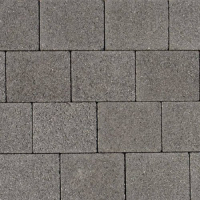 Black Granite Block Paving 225 x 150 x 60mmFrom £1.79 £1.49 £52.59 / 1 m² Inc VAT
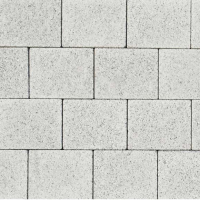 Grey Granite Block Paving 225 x 150 x 60mmFrom £1.79 £1.49 £52.59 / 1 m² Inc VAT
What Is Granite Block Paving?
Granite block paving is made from cut natural stone blocks used to create durable external surfaces with a more solid, high-end finish. It is a popular choice for areas that need to cope with regular foot traffic or vehicle use without looking purely functional. Compared with many standard concrete products, granite paving has a more substantial feel and a natural stone look that works well across a wide range of projects.
Where Is It Commonly Used?
- Driveways
Granite block paving is widely used for driveways because it gives the entrance to a property a tougher, more established finish and stands up well to regular vehicle traffic. - Paths and Walkways
It works well on garden paths, front paths, and side access routes where the surface needs to stay neat, hard-wearing, and easy to live with over time. - Patios and Courtyards
In patios and courtyard spaces, granite paving blocks can help create a more structured and architectural look than a standard slab-only layout. - Borders and Edging
They are also often used around paving slabs, block paving, and planted areas to define the layout more clearly and give the overall scheme a cleaner edge. - Commercial and Public Spaces
Granite paving is also a suitable option for entrances, forecourts, and other busier outdoor areas where appearance and long-term performance both matter.
Why Choose Granite Block Paving for Driveways, Paths, and Outdoor Spaces?
Granite paving is often chosen for jobs where the finish needs to feel solid, look smart, and hold up well in day-to-day use. It gives outdoor spaces more presence than a basic surface treatment, while still being practical for residential and commercial settings alike.
Why Granite Block Paving Works So Well
- It gives the job a stronger overall finish
This type of paving has a weight and definition that helps an area feel properly built rather than simply covered. It is a good fit where the aim is to achieve a smarter and more hard-wearing result. - It handles busy areas well
For driveways, access routes, and main garden paths, the surface needs to cope with regular use without feeling lightweight. Granite is well suited to spaces that need to stay functional while still looking well finished. - It works across different property styles
One of the advantages of granite paving is that it does not lock the job into one particular look. It can sit comfortably in more traditional settings as well as cleaner, more modern schemes. - It is useful beyond the main paved area
As well as covering full surfaces, granite paving blocks are often used for borders, edges, and feature sections. That makes them useful when the layout needs a bit more definition or contrast. - It suits projects where longevity matters
Where the brief calls for something that should keep its look and perform well over time, granite block paving is often the stronger option compared with a more basic alternative.
Black or Grey Granite Block Paving: Which Option Is Right for Your Project?
Why Choose Black Granite Block Paving?
Black granite block paving gives a job a sharper, more defined look. It is a strong choice where you want the paving to stand out more clearly, particularly against lighter brickwork, render, or surrounding slabs.
It tends to work well in more contemporary layouts, front entrances, and areas where a darker tone helps bring more structure to the finished scheme. It is also useful for borders and detail work where extra contrast is needed.
Why Choose Grey Granite Block Paving?
Grey granite block paving is easier to carry across a wide range of schemes and usually feels more neutral once laid. It sits naturally with other hard landscaping materials and does not draw too much attention away from the rest of the build.
For many UK projects, grey granite block paving is the safer all-round choice for driveways, paths, and general landscaping because it keeps the finish clean, balanced, and easy to work into the wider design.
FAQs
What Size Granite Block Paving Is Best for Driveways, Paths, and Edging?
There is no single best size for every job. Larger granite blocks are often better suited to main paved areas, while smaller units tend to work better for edging, borders, and tighter detailing. The right choice usually depends on the scale of the area, the laying pattern, and how visible you want the joints to be.
How Should Granite Block Paving Be Installed for a Stable, Long-Lasting Finish?
A good result starts with a sound base, suitable bedding, and proper edge restraint to keep the surface locked in place. Levels, joint lines, and support all need to be right from the outset, especially on driveways and other hard-working areas. With granite setts, any weakness in the groundwork usually shows up later.
Does Granite Block Paving Need Sealing or Ongoing Maintenance?
This type of paving is generally straightforward to look after, but it still needs routine cleaning to keep the surface tidy and the joints under control. Regular sweeping and occasional washing are usually enough for day-to-day care. Sealing can be used on some jobs, but it is more often a finish preference than a necessity.
What Is the Difference Between Granite Block Paving and Cobble Block Paving?
Granite block paving is usually cut to a more consistent shape, so the finished surface looks cleaner and more controlled. Cobble block paving tends to be more irregular, which gives it a softer and more traditional character once laid. In practice, it often comes down to whether the job needs a sharper architectural finish or a more rustic look.
Can Granite Block Paving Be Used with Other Paving Materials in the Same Project?
Yes, it works well alongside paving slabs, concrete block paving, and other hard landscaping materials. Granite paving is often used for borders, feature bands, and transition points where one surface meets another. That makes it useful when the layout needs a bit more structure without making the scheme feel overworked.