

Filters
Shopping Options
Sandstone Paving Slabs
Explore sandstone paving slabs suited to patios, paths and well-designed garden spaces. Available in a range of colours, pack sizes and finishes, they offer a natural and practical solution for creating outdoor areas that feel both durable and visually appealing.
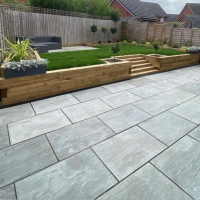 Kandla Grey Natural Sandstone Paving Slab 900 x 600 x 22mmFrom £15.59 £12.99 £28.87 / 1 m² Inc VAT
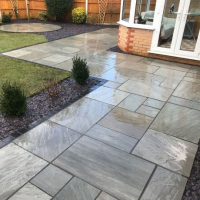 Kandla Grey Sandstone Paving Slabs 22mm Mixed Size Patio Pack 18.9m²-£17.94From £402.00 £335.00 £21.27 / 1 m² Inc VAT From £419.94
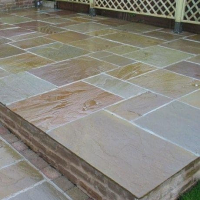 Raj Green Sandstone Paving Slabs 22mm Mixed Size Patio Pack 18.9m²-£17.94From £402.00 £335.00 £21.27 / 1 m² Inc VAT From £419.94
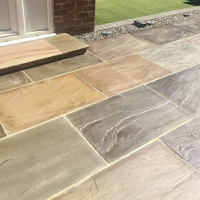 Raj Green Natural Sandstone Paving Slab 900 x 600 x 22mmFrom £15.59 £12.99 £28.87 / 1 m² Inc VAT
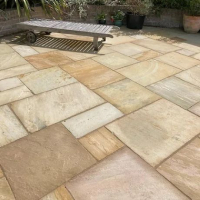 Mint Sandstone Paving Slabs 22mm Mixed Size Patio Pack 18.9m²From £419.94 £349.95 £22.22 / 1 m² Inc VAT
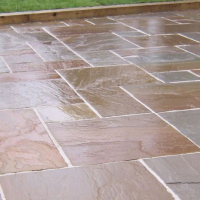 Autumn Brown Sandstone Paving Slabs 22mm Mixed Size Patio Pack 18.9m²From £419.94 £349.95 £22.22 / 1 m² Inc VAT
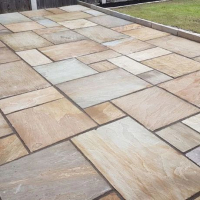 Rippon Buff Sandstone Paving Slabs 22mm Mixed Size Patio Pack 18.9m²From £419.94 £349.95 £22.22 / 1 m² Inc VAT

What Are Sandstone Paving Slabs?
Sandstone paving is a good choice for patios and gardens because it brings a natural look that feels warm, timeless and easy to incorporate into different outdoor styles. The sandstone slabs in our range each have their own variation in colour and texture, which helps create a space that feels more characterful and less uniform than man-made paving. They are a practical option for anyone who wants paving that looks authentic, performs well outdoors and suits both traditional and more contemporary garden designs.
Why Choose Sandstone Paving Slabs?
-
Natural appearance – These slabs have a more organic look than many man-made alternatives, with natural variation in colour, texture and tone.
-
Timeless style – They suit both traditional and modern gardens, making them a flexible choice for different outdoor designs.
-
Built for outdoor use – Indian sandstone paving slabs are a practical option for patios, paths and seating areas where durability and everyday performance matter.
-
More characterful finish – The natural variation in sandstone slabs helps create a space that feels less flat and uniform.
-
Choice of layouts – Mixed-size packs are ideal for a more traditional patio layout, while single-size slabs give a cleaner and more consistent finish.
-
Choice of finish – Smooth sandstone paving slabs are ideal if you want a cleaner and more refined overall look.
-
Easy to choose by colour – Lighter shades can help brighten smaller spaces, while warmer tones create a richer and more classic garden look. Grey sandstone paving slabs are a popular choice if you want a cooler, more contemporary finish that still feels natural outdoors.
-
Natural patio appeal – Sandstone patio slabs are a popular option for creating outdoor spaces that feel relaxed, practical and visually balanced.
If you are comparing natural stone options, sandstone is often chosen for its warmer, more varied appearance, while Limestone Paving Slabs can suit spaces where a more consistent and uniform finish is preferred.
Where Can Sandstone Paving Slabs Be Used?
-
Patios – These slabs are ideal for patios, giving you a natural-looking surface that works well for outdoor seating, dining and everyday use.
-
Garden paths – They are a practical choice for garden paths where you want a defined walkway without losing the softer look of natural stone.
-
Courtyards – Sandstone suits courtyards particularly well, helping create a space that feels warm, characterful and easy to style.
-
Seating areas – They can be used to shape dedicated seating areas within the garden, creating a clear and durable surface underfoot.
-
Larger landscaped spaces – They also work well in larger garden layouts where you want a finish that feels consistent, natural and visually balanced.
How to Look After Sandstone Slabs
-
Sweep regularly – Brushing away dirt, leaves and debris helps keep the surface clean and tidy.
-
Clean with water and a suitable stone cleaner – Occasional cleaning will help maintain the natural appearance of the slabs.
-
Remove stains and surface growth early – Marks, algae and similar build-up are easier to deal with before they settle in.
-
Avoid harsh cleaning methods – Strong chemicals and aggressive pressure washing can damage the stone or joints.
If you are still deciding on the right material, MGN Builders Merchants can help you compare sandstone with other popular options such as Concrete Paving Slabs to find the best fit for your space.
FAQs
Are Sandstone Paving Slabs a Good Choice for Patios and Garden Paths?
Yes, they are a popular option for patios and garden paths because they offer a natural look that sits well in most outdoor spaces. Sandstone also brings variation in colour and texture, which helps the finished area feel more relaxed and less uniform. It is a good fit if you want paving that looks authentic and works well in everyday garden settings.
What Is the Difference Between Sandstone Paving Slabs and Other Paving Options?
Sandstone stands out for its natural variation, which gives it a softer and more individual look than many man-made alternatives. Where other paving options can appear more uniform, sandstone tends to feel warmer and more organic under the overall design. It is a strong choice if you prefer a natural stone finish rather than a more manufactured look.
What Size Sandstone Paving Slabs Should I Choose for My Patio?
The right size depends on the style you want to create and the amount of space you have available. Larger formats can make a patio feel cleaner and more open, while mixed-size packs usually suit more traditional layouts. The best result usually comes from choosing a size that feels in proportion to the space rather than too busy or too heavy.
Are 900 x 600 Sandstone Paving Slabs a Good Choice for Patios?
Yes, 900 x 600 slabs are a strong choice if you want a patio with a cleaner and more contemporary feel. Their larger format can help the space look more open and visually streamlined. They can also reduce the number of visible joints compared with smaller sizes.
How Much Do Sandstone Paving Slabs Cost?
The price can vary depending on the size, colour, finish and pack format you choose. Single-size slabs and mixed packs are often priced differently, so it is worth comparing the options that best suit your layout. The overall cost will also depend on the area you need to cover and the quantity required.
Do Sandstone Paving Slabs Need Sealing?
Sealing is not always essential, but some people choose it to help with maintenance and surface protection over time. Whether it is the right option can depend on the product itself, the conditions it will be exposed to and the finish you want to maintain. If you are unsure, it is best to check the product guidance and use a solution suitable for natural stone.