

Filters
Shopping Options
Internal Fire Doors
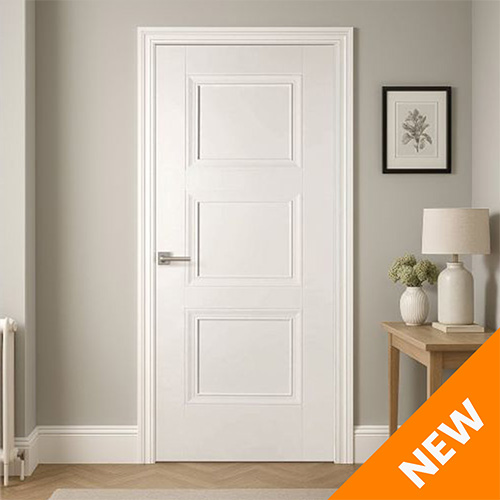
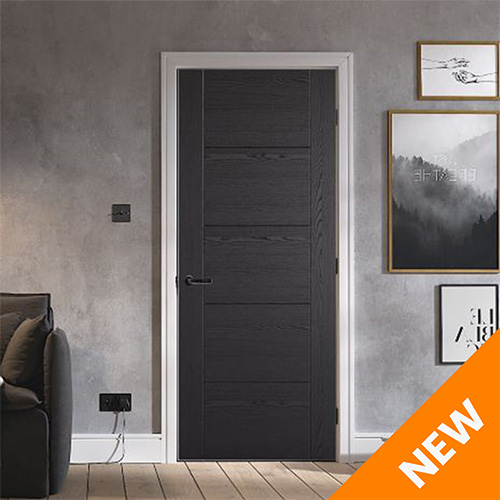
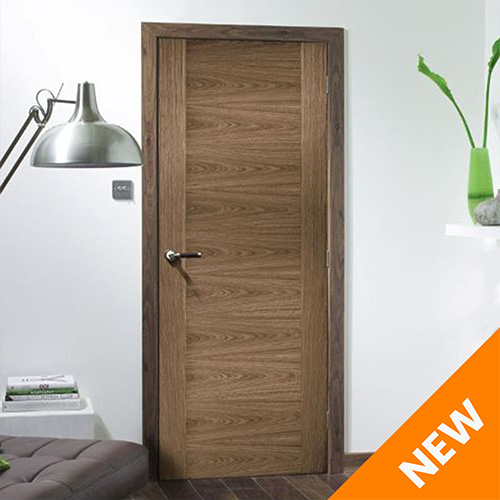
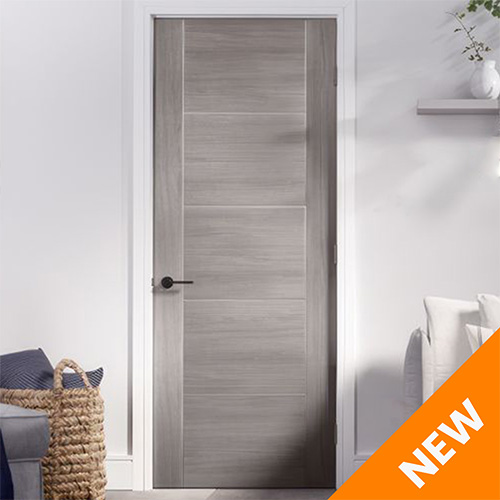
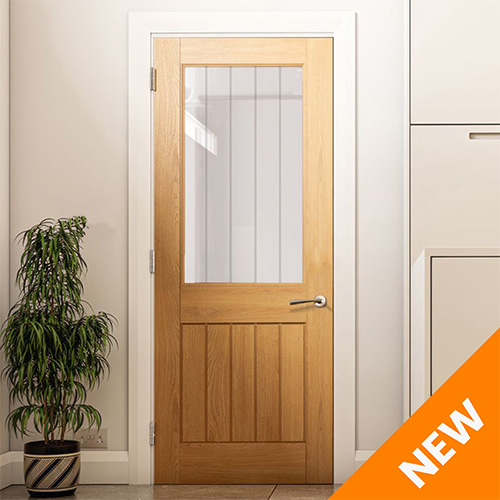
Internal fire doors are made to help contain fire and smoke within one part of a building for a limited period. In the UK, they play an important role in passive fire protection across homes, flats and commercial interiors, while also helping to keep key access and escape routes better protected.
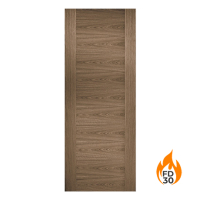
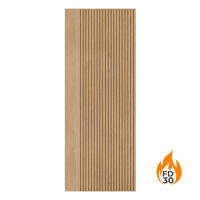 LPD Melbourne Pre-Finished Oak Internal Fire DoorFrom £381.94 £318.28 As low as
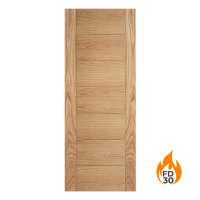
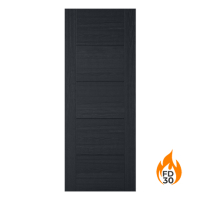
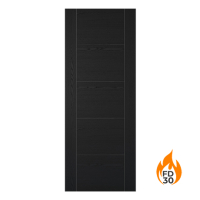 LPD Vancouver Pre-Finished Black Ash Laminate Internal Fire DoorFrom £271.69 £226.41 As low as
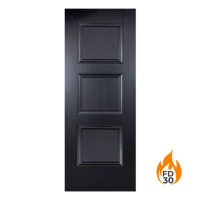
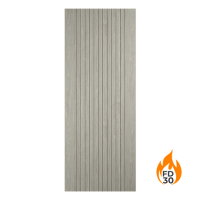
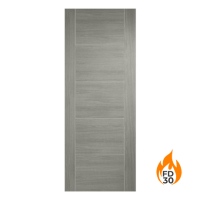 LPD Vancouver Pre-Finished Light Grey Laminate Internal Fire DoorFrom £271.69 £226.41 As low as
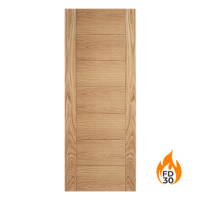
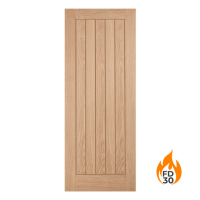
 LPD Vancouver Pre-Finished Black Internal Fire DoorFrom £266.41 £222.01 As low as
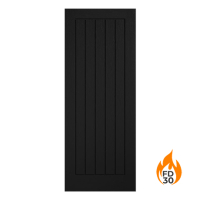 LPD Mexicano Pre-Finished Black Internal Fire DoorFrom £289.84 £241.53 As low as
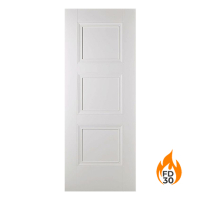
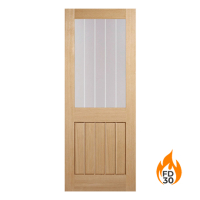 LPD Mexicano Unfinished Oak Glazed Internal Fire DoorFrom £778.69 £648.91 As low as
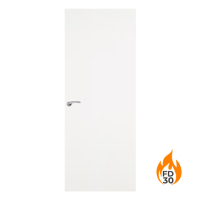 White Flush Primed Internal Fire Door (Paint Grade Plus)From £70.55 £58.79 As low as
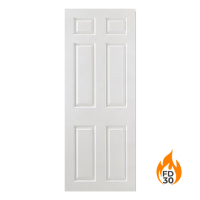 6 Panel Moulded Primed White Internal Fire Door-£8.45From £95.94 £79.95 As low as From £104.39 £86.99 Regular Price
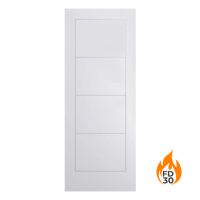 4 Panel Moulded Primed White Internal Fire Door-£8.45From £95.94 £79.95 As low as From £104.39 £86.99 Regular Price
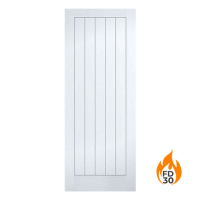 5 Panel Moulded Primed White Internal Fire Door-£8.45From £95.94 £79.95 As low as From £104.39 £86.99 Regular Price
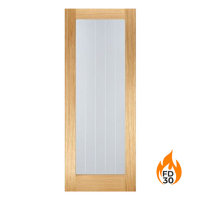 LPD Mexicano Pattern 10 Pre-Finished Oak Glazed Internal Fire DoorFrom £934.44 £778.70 As low as

What Are Internal Fire Doors?
Internal fire doors are specially made doors designed to slow the spread of fire and smoke between rooms for a set period of time. Fire rated internal doors are tested to recognised standards, making them an important part of passive fire protection for homes, flats and commercial buildings in the UK. Those type of doors also help maintain safer escape routes while supporting practical and regulatory requirements.
Internal Fire Doors vs Standard Internal Doors
-
Fire resistance: Internal fire doors are designed to resist fire for a set period, while standard internal doors are not.
-
Construction: Fire rated internal doors are typically made with a solid core and tested materials for greater resistance.
-
Components: They are usually fitted with intumescent seals and compatible fire door hardware, unlike standard internal doors.
-
Purpose: Standard internal doors are mainly used for privacy and room separation, while fire doors are intended to slow fire and smoke and protect escape routes.
-
Compliance: In the UK, they may be required in certain parts of a property to support fire safety and building regulations.
-
Installation: A fire door must be fitted correctly with the right frame, seals and hardware to work as intended.
Where Internal Fire Doors Are Commonly Used
-
Flats and apartment buildings – Often fitted at flat entrances and in shared access areas to help protect communal escape routes and improve separation between different parts of the building.
-
Homes with an integral garage – Usually installed between the garage and the main living area, where the fire risk is typically higher.
-
Multi-storey houses – May be used around stairways and key rooms to help protect the route from upper floors.
-
HMOs and shared properties – Help create safer separation between bedrooms, corridors and communal spaces.
-
Commercial and mixed-use buildings – Often installed in offices, service areas and access points between different parts of a building as part of the wider fire strategy.
-
Higher-risk internal areas – Also suitable for service cupboards, plant rooms and similar spaces where additional containment may be needed.
How to Choose the Right Fire Door
-
Check the size and fit – Make sure the fire door matches the opening correctly, including the required height, width and thickness. A proper fit matters for both installation and overall effectiveness.
-
Choose a suitable design – Fire doors are available in flush, panelled and glazed styles, so it helps to choose an option that suits both the look and function of the space. If you are comparing finishes and styles, White Internal Fire Doors are often chosen for a clean, versatile look, while Oak Internal Fire Doors are a strong option for a warmer, more classic finish.
-
Consider the construction and rating – Fire doors are typically built with a solid core and more robust materials than standard internal doors. If you are comparing FD30 internal fire doors, it is worth checking the full specification, construction and intended use before choosing.
-
Think about the finish – Some come pre-finished, while others are supplied unfinished for on-site decorating. The right option will depend on the finish you want and the needs of the project.
-
Check compatibility with the full door set – A fire door needs to work with the correct frame, hinges, seals and fire-rated hardware to perform properly. The door leaf is only one part of the overall set, so compatible components are essential.
Browse internal fire doors for sale in a wide choice of sizes, styles and finishes, including options suitable for residential and commercial projects.
FAQs
What Are Internal Fire Doors Used For?
They are used to slow the spread of fire and smoke from one part of a building to another. Their main job is to help protect escape routes, support fire compartmentation and give people more time to leave safely if a fire breaks out. They can also help reduce damage by limiting how quickly fire moves through a property.
How Do Internal Fire Doors Work?
They work as part of a complete doorset, which means the door leaf, frame, seals, glazing and hardware all need to work together. When closed, the door helps form a barrier against fire, while intumescent seals expand in heat to close gaps around the edges. This allows the assembly to resist fire for a set period when it has been correctly specified, fitted and maintained.
Where Are Internal Fire Doors Needed?
They are typically needed where a building must protect escape routes or create fire separation between different areas. In the UK, that often includes flat entrance doors, shared corridors and stairwells, as well as some houses with an integral garage or a protected stairway. The exact requirement depends on the layout, height and use of the property.
Do I Need Internal Fire Doors in My House?
Not every house needs them throughout, but some homes do require them in specific locations. In England, they are often needed between an attached garage and the house, and they may also be required where the escape route relies on a protected stairway, such as in some loft conversions or taller homes. If you are altering the layout or carrying out building work, it is worth checking the fire safety requirements for that type of property.
How Long Do Internal Fire Doors Hold Back Fire and Smoke?
That depends on the fire rating and whether the door has been correctly installed with compatible components. An FD30 door is designed to provide around 30 minutes of fire resistance, while higher-rated options are intended to perform for longer. Where smoke control is also needed, the specification will usually include smoke seals as part of the tested assembly.
How Thick Are Internal Fire Doors?
Thickness varies by manufacturer and fire rating, so there is no single size for every product. As a general guide, many FD30 doors are around 44mm thick, while FD60 options are often around 54mm thick. Even so, thickness alone is not enough to confirm performance, so the product specification should always be checked.
Should Internal Fire Doors Be Kept Closed?
Yes, they should normally be kept closed so they can do their job properly in the event of a fire. They only help contain fire and smoke when shut, which is why wedging or propping them open can seriously reduce their effectiveness. The exception is where a door is connected to an approved automatic release device that allows it to close when the fire alarm is triggered.