

Filters
Shopping Options
Glazed Internal Doors
Glazed internal doors are a practical choice for bringing more natural light into interior spaces while maintaining separation between rooms. Suitable for both modern and traditional homes, they work well in living areas, kitchens, hallways and other spaces where a brighter and more open feel is preferred.
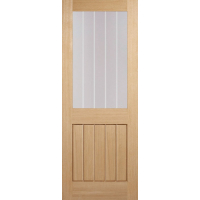
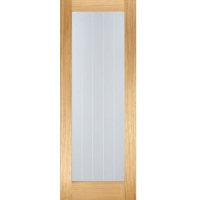 LPD Mexicano Pattern 10 Pre-Finished Oak Glazed Internal DoorFrom £195.00 £162.50 As low as
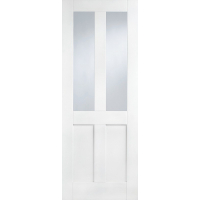
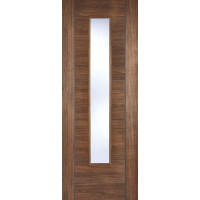 LPD Vancouver Pre-Finished Walnut Laminate Glazed Internal DoorFrom £252.14 £210.12 As low as
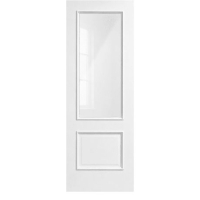
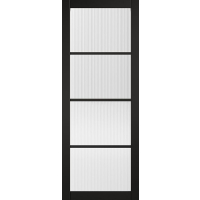
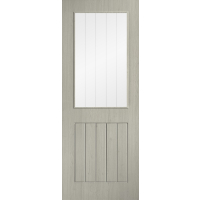 LPD Cottage Pre-Finished Grey Glazed Internal DoorFrom £161.60 £134.67 As low as
Why Choose Glazed Internal Doors?
Glazed internal doors are designed to improve light flow between rooms while still providing structure and separation within the home. By incorporating glass panels, they help reduce dark areas and create a more open and connected layout.
Internal glazed doors are available in a range of styles and finishes, making them suitable for different interiors. Whether you prefer oak glazed internal doors for a warmer, more traditional look, or white glazed internal doors for a clean and bright finish, there are options to suit most spaces. For more modern designs, black glazed internal doors offer a stronger contrast and a more architectural feel.
Glazed internal doors are a popular choice for several reasons:
- allow natural light to move between rooms
- help create a more open and spacious feel
- suit both modern and traditional interiors
- are available in a wide range of styles and finishes
- provide a balance between privacy and visibility
For many homeowners and installers, they offer a simple way to improve both the look and functionality of interior spaces.
Where Glazed Internal Doors Work Best in the Home
Glazed internal doors can be used throughout the home, but they are particularly effective in areas where natural light is limited.
In hallways and landings, internal glazed doors help bring light in from adjoining rooms, reducing the need for artificial lighting during the day. In kitchens and dining areas, they help maintain separation while keeping spaces visually connected.
They are also commonly used between living rooms and hallways, or in home offices where maintaining a sense of openness is important.
Different finishes can be used to match the overall interior. For example, oak glazed internal doors work well in homes with natural timber elements, while white glazed internal doors suit lighter, more minimal spaces. Black glazed internal doors are often chosen for modern interiors where contrast and clean lines are a priority.
What to Consider When Choosing Glazed Internal Doors
When selecting glazed internal doors, it’s important to think about both practical use and design.
Key things to consider include:
- level of privacy – clear glass increases visibility, while frosted or patterned glass offers more privacy
- amount of light needed – larger glass panels allow more light through
- frame finish – choose a finish that complements your interior style
- room function – consider where openness is beneficial versus where privacy is required
- glass type – toughened safety glass is typically used for durability and compliance
Balancing these factors helps ensure the doors improve both the usability and appearance of the space.
Glazed Internal Doors vs Solid Doors
Glazed internal doors and solid doors serve different purposes within the home.
Glazed internal doors are ideal for:
- hallways and landings
- kitchens and dining areas
- living spaces where light flow is important
Solid internal doors are better suited for:
- bedrooms
- bathrooms
- areas requiring more privacy
Using a mix of both styles throughout the home is a common approach, helping to balance light, privacy and overall design.
If you prefer a warmer, more traditional finish, explore our Oak Internal Doors. For a clean and versatile option, browse our White Internal Doors, or for a more modern look, take a look at our Black Internal Doors.
FAQs
Are glazed internal doors suitable for all rooms?
They are suitable for most areas, especially where natural light is limited. However, for rooms like bathrooms or bedrooms, you may prefer frosted glass or solid doors for added privacy.
What type of glass is used in internal glazed doors?
Most internal glazed doors use toughened safety glass to improve durability and meet safety standards. This makes them suitable for everyday use in both residential and commercial settings.
Do glazed internal doors help reduce the need for artificial lighting?
Yes, they allow natural light to pass between rooms, which can reduce the need for lighting during the day. This can be particularly useful in hallways and enclosed spaces.
Can I install glazed internal doors myself?
Many glazed internal doors can be installed by experienced DIY users using standard tools. However, for heavier doors or more complex fittings, professional installation may be recommended.
Are glazed internal doors energy efficient?
They do not provide insulation in the same way as external doors, but they can help distribute heat and light more evenly within the home. Choosing quality materials and proper installation will improve overall performance.