

Filters
Shopping Options
Polycarbonate Roofing Sheets
What Are Polycarbonate Roofing Sheets?
Polycarbonate roofing sheets are rigid polycarbonate glazing panels used to form lightweight roof covers on timber or metal frames. On site they’re a go-to option when you need strong impact resistance, reliable weather protection and good daylight without the weight of glass. Typical installs include lean-to canopies, pergola roofs, carports and conservatory replacements.
Where polycarbonate roofing sheets are typically used
- Pergola roofs and patio covers — a popular choice for keeping an outdoor seating area bright but weather-protected.
- Greenhouses and garden structures — practical polycarbonate sheets for roofing where you want shelter without killing daylight.
- Lean-to canopies over doors, walkways and side passages — quick to frame and ideal when you need polycarbonate sheets for roofing without overloading the structure.
- Carports — strong, light-transmitting roof covers where impact resistance matters day to day.
- Conservatory roof replacements — used to refurbish tired roofs while keeping the space usable and lighter.
- Service-yard / side return covers — simple spans for protecting bins, storage and access routes from rain.
- Shed and workshop overhangs — extending a roofline to create a dry loading or working area, a common detail on polycarbonate roofing sheets jobs across the UK.
Polycarbonate Sheet Types: Multiwall vs Solid
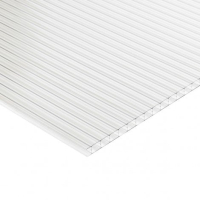
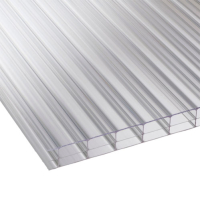
Multiwall (Twinwall, Triplewall) polycarbonate roofing sheets are chambered sheets with internal air gaps (flutes) that improve insulation and usually give a stiffer roof build. Choose multiwall if:
-
you need better span rigidity, so the roof doesn’t “flex” in wind or heavy rain
-
you want a warmer feel under the cover (pergola/patio seating areas or a conservatory roof)
-
you want fewer condensation drip issues thanks to the chambered structure and better thermal performance
For most domestic jobs, polycarbonate twin wall roofing sheets are the most versatile all-round option.
Solid polycarbonate roofing sheets are single-skin glazing sheets with no internal chambers, giving the cleanest, clearest look. Choose solid if:
-
the priority is a clean glazing aesthetic and maximum clarity
-
the structure is smaller/simple, without long spans
-
you need very high impact resistance (higher-risk areas where knocks or falling objects are more likely)
This is often the choice for feature canopies or screens where insulation isn’t critical.
Choosing the right thickness: what to use and where
- 10mm polycarbonate roofing sheets are best for lighter-duty covers and shorter runs — door canopies, small pergolas, side passages and simple garden lean-tos where you need a basic weather cover. For this kind of build, our 10mm Twinwall Polycarbonate Sheet is the most practical starting point.
- 16mm polycarbonate roofing sheets suit more exposed pergolas, lean-to canopies and conservatory-style roofs where you want a more rigid feel on the span and better comfort under the cover. If you’re aiming for improved rigidity and performance, step up to the 16mm Triplewall Polycarbonate Sheet.
Builder tip: if the roof is more exposed or you’re seeing flex in wind and heavy rain, move up from 10mm to 16mm.
FAQs
How to install polycarbonate roofing sheets?
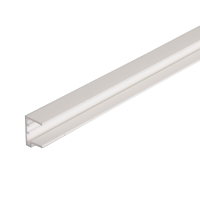
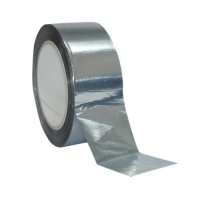
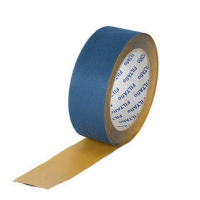
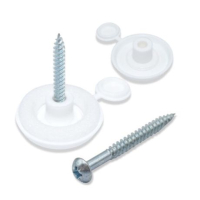
Install on a properly supported timber or metal frame using the correct glazing bars/profiles and fixings. Pre-drill oversized holes for thermal expansion, don’t overtighten, and keep the UV-protected face outward if marked. Finish multiwall sheet ends with the correct tape/closures to keep dirt and moisture out of the flutes.
How to cut polycarbonate roofing sheets?
Support the sheet fully, mark the line, and cut with a fine-tooth saw for a clean edge. Clear swarf and dust from the cut and from any flutes immediately. Seal/close the ends using the recommended tape/closures for the sheet type.
How to seal polycarbonate roofing sheets to a wall?
Use a wall flashing or wall-connector profile that overlaps the sheet and directs water onto the roof. Seal the wall line with a compatible exterior-grade sealant where needed, then mechanically fix the flashing/profile. Keep a fall away from the wall so water drains cleanly.
How much are polycarbonate roofing sheets?
Cost depends on sheet type (multiwall vs solid), thickness, size, and the joining/fixing profiles required. To compare properly, price like-for-like by thickness and length, then add the profiles and fixings. The most accurate number is the live price shown for the exact sheet size you select.
How do you join polycarbonate roofing sheets together without leaks?
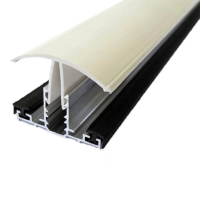
Join sheets with the correct glazing bar/joining profile system, not sealant alone. Leave expansion gaps and make sure the joint follows the roof fall so water runs over the seam. Close sheet ends correctly so water and debris don’t track into the flutes.
Do polycarbonate roofing sheets offer UV protection?
Many sheets have a UV-protective layer on one face, but it varies by product. Check the product spec for “UV protected/UV coated” and which side faces out. Install with the marked UV side outward where applicable.