

Filters
Shopping Options
Corrugated Roofing Sheets


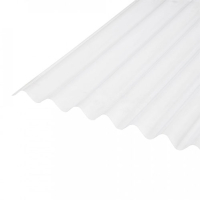
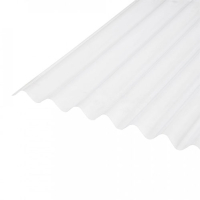
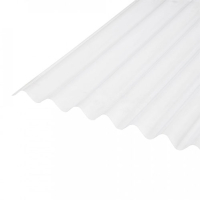
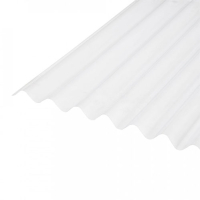
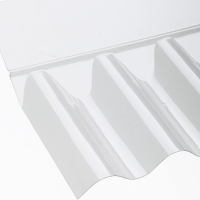
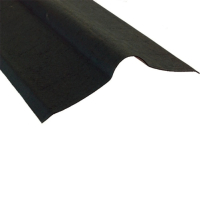
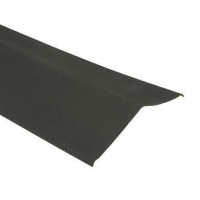
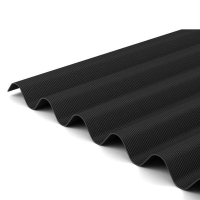 Corrugated Bitumen Roofing Sheet Black 2000mm x 950mm x 2.6mmFrom £20.56 £17.13
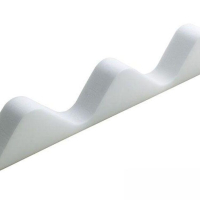
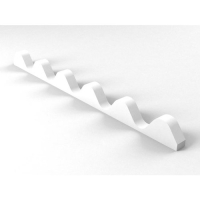 3" PVC Corrugated Sheeting Eaves Filler Pack of 6-£1.56From £9.60 £8.00 From £11.16
What are corrugated roofing sheets?
Corrugated roofing sheets are profiled roof panels designed to throw water fast and cover spans without adding much weight. Available in metal, PVC, polycarbonate and GRP, they suit everything from shed and garage roofs to lean-to canopies and farm buildings. Pick by material and profile, then match the length and finish (clear or opaque) to the job and exposure.
Corrugated roofing sheets: Profile Types & Roof Compatibility
If you’re replacing an existing roof, match the profile exactly—a “close” fit often means misaligned ridges, poor laps and leaks. In the UK market, buyers typically choose corrugated sheets for roofing based on profile first, then material and finish.
- Standard corrugated (classic wave profile)
The most common choice for sheds, garages, lean-to canopies, pergolas and general outbuildings. This profile is widely available across plastic, polycarbonate, GRP and metal, so you can keep the same look while choosing the right performance. - Box profile (trapezoidal roof sheets)
Often picked for larger roof areas where buyers want a stiffer sheet and a cleaner, more modern finish. It’s a different profile system to traditional corrugated, so trims, laps and fixings must match the sheet profile. - Mini profiles (common in lighter plastic ranges)
A lightweight option for smaller structures and shorter spans where easy handling is the priority. Less suited to highly exposed sites or long unsupported runs.
Compatibility isn’t just “shape” — it’s the whole roof system
When people buy roofing corrugated sheets, they’re buying a system, not just the sheet:
-
Fixings: screw type, washer size and fixing positions depend on profile + material.
-
Side laps and end laps: overlaps are profile-specific—wrong profile usually leaves gaps.
-
Ridges, verge trims and flashings: must be made for the same profile to prevent wind-driven rain.
-
Rooflights / clear sheets: adding clear corrugated sheets only works when they’re formed to the same profile, so they seat and seal properly.
Typical Uses for Corrugated Roofing Sheets
- Shed and workshop roofs — Corrugated roofing sheets are a reliable option for lightweight roof covers that protect tools, timber and stored materials, without overbuilding the structure. For tough, cost-effective shed and outbuilding projects, browse Corrugated Bitumen Roofing Sheets.
- Garage roofs and replacements — A popular choice for garage refurb projects where you want roofing corrugated sheets that are easy to handle, quick to fix and simple to match to an existing profile.
- Lean-to canopies and door covers — Corrugated sheets for roofing work well above entrances, side passages and walkways, providing practical rain cover with straightforward framing.
- Pergolas and patio covers — Often specified when you want daylight under the roof; clear corrugated roofing sheets (and other translucent options) keep the space bright while still protecting from the weather. If you want a lighter sheet that lets in light, see Corrugated PVC Roofing Sheets.
- Carports and sheltered parking bays — Suitable for durable, low-weight roof panels that keep the build uncomplicated while protecting vehicles from wind-driven rain.
- Agricultural buildings and yard shelters — Widely used on farms for open-sided stores and equipment covers where fast installation and easy maintenance matter on larger areas.
- Industrial and service-yard covers — Common for loading areas, bin stores and access routes where you need scalable weather protection using robust corrugated roof sheets.
- UK garden structures and side returns — A common application for corrugated roofing sheets in the UK, from simple garden lean-tos to sheltered storage runs where practicality matters most.
Choosing the Right Size and Thickness
Choose corrugated roofing sheets by coverage first, not just sheet length. Check the effective cover width (after side laps), then allow the correct end lap for your roof pitch.
For sizing, aim to run from eaves to ridge in as few sheets as practical to reduce joins and leak points—just make sure your structure can support the span without noticeable flex.
Thickness is most important for clear and plastic sheets: go thicker for more exposed locations, wider rafter spacing, or longer runs, and thinner for small canopies and short spans. If you’re replacing an existing roof, match the profile and cover width before ordering so overlaps, fixings and edges line up properly.
FAQs
How to fix corrugated roofing sheets?
Use the correct roofing fixings for the sheet type (roofing screws with sealing washers) and fix into solid supports/purlins at the recommended spacing. Square the first sheet, then fix from eaves upward so laps stay tight. Don’t overtighten - compress the washer just enough to seal.
How much overlap on corrugated roofing sheets?
Side laps are typically one full corrugation/rib, but always match the sheet profile guidance. End laps depend on roof pitch - shallower pitches need more overlap. Increase the end lap on low pitches and exposed sites to reduce wind-driven rain risk.
How to install corrugated roofing sheets?
Install sheets from eaves to ridge, keeping the first sheet perfectly square and maintaining consistent side and end laps. Position overlaps away from the prevailing wind and fix into solid supports/purlins at the recommended spacing. Use matching closures/flashings for your profile to seal edges and laps properly.
How to join corrugated roofing sheets?
Join sheets using the correct side lap (corrugation/rib overlap) and end lap, then secure the lap where specified so the sheets can’t lift or rattle. Use profile-specific closure strips to prevent gaps at the overlaps. If your system requires it, apply a lap sealant/tape for extra protection against wind-driven rain.
How to drill corrugated plastic roofing sheets?
Pre-drill at low speed with the sheet supported underneath to avoid cracking. Make holes slightly oversized to allow for thermal expansion. Keep fixings snug but not crushed so the sheet can move without splitting.
How to cut corrugated roofing sheets?
Support the sheet fully, mark the cut line, and use a tool suited to the material (fine-tooth saw for plastics; shears/nibbler for metal). Avoid abrasive cutting on coated sheets where possible, as it can damage the protective finish. Remove swarf and debris immediately after cutting to prevent staining and corrosion.