

Filters
Shopping Options
Dry Verge Caps
Dry verge caps complete the roof apex where the sloping verge meets the ridge, providing a secure finish as part of a compatible dry verge system. Angled and half-round options are available to suit different ridge profiles and roofline requirements. Check the tile type, ridge shape and existing verge system before selecting the correct cap for the installation.

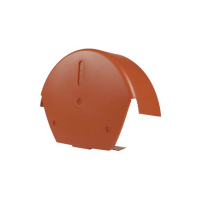
What Are Dry Verge Caps and Where Are They Used?
Dry verge caps finish the apex of a mechanically fixed dry verge system where the sloping roof verge meets the ridge. They close the upper end of the verge detail and provide a weather-resistant finish without relying on traditional mortar bedding. These roof dry verge caps are intended for compatible systems used with large-format and interlocking concrete profiled tiles, so the roof covering and ridge arrangement should be confirmed before selection.
Angled vs Half-Round Dry Verge Caps: Which Ridge Shape?
The correct dry verge end caps are selected primarily according to the ridge shape at the roof apex. MGN currently stocks angled and half-round options, allowing the finishing component to follow the corresponding ridge profile rather than using one cap shape for every roof.
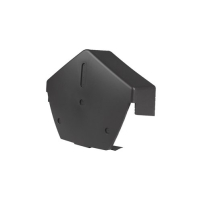
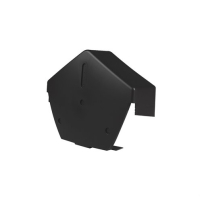
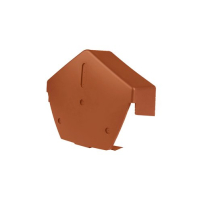
- Angled caps – Designed to finish dry verge systems where the roof has an angled ridge profile.
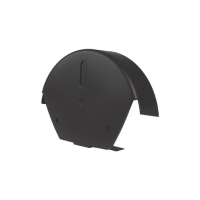
- Half-round caps – Used where the roof terminates with a rounded ridge profile.
- Colour selection – Coordinate the cap with the adjoining verge components for a consistent roof-edge finish.
Confirm the ridge shape before ordering, particularly during refurbishment where the existing roof construction may already determine which cap profile is required.
Checking Dry Verge Cap Compatibility with the Verge System
Universal dry verge caps form part of the wider verge arrangement and should be selected to work with the components already installed along the sloping roof edge. Check the dry verge system, ridge shape and available colour before ordering rather than choosing the cap on appearance alone.
The MGN range includes multiple colour options across both angled and half-round profiles, allowing a precise match to the roofline finish. For projects requiring a darker aesthetic, customers looking for black dry verge caps can select the dedicated black option.
When considering dry verge caps cost, check both the required ridge profile and current product price before calculating project quantities. Different cap types should not be assumed to have the same price.
Fitting Dry Verge End Caps at the Roof Apex
Correct dry verge end caps fitting takes place once the verge run has reached the ridge and the required apex profile has been confirmed. The adjoining verge components should be correctly positioned first, after which the compatible angled or half-round cap can complete the upper termination.
Check the finished verge alignment and ridge arrangement before securing the final cap. Installation should follow the current fixing guidance for the dry verge system so the apex component works as part of the complete roof-edge detail rather than as an independent fitting.
Plastic Dry Verge Caps: Material and Weather Protection
The plastic verge caps within this category are manufactured from polypropylene and form part of a mechanically fixed dry verge system. Their purpose is to close and protect the exposed upper verge detail while helping the completed system resist weather exposure at the roof edge.
Polypropylene provides a durable material for exposed roofline components and avoids the need for a mortar-bedded verge finish. The cap should still be used only with a compatible dry verge arrangement and correctly matched ridge profile.
Matching Dry Verge Caps with Roof Ridge Tiles
Dry verge caps complete the upper end of the verge where the sloping roof edge meets the ridge, while roof ridge tiles and finials form the finish along the ridge line itself. Both areas should be considered together when planning the roof detail so the cap shape, ridge profile and adjoining components meet correctly at the apex.
Before ordering, check:
- Ridge profile – Match angled or half-round verge caps to the corresponding ridge shape.
- Roof covering – Confirm the dry verge system is suitable for the tiles being installed.
- Apex junction – Check how the verge cap will meet the ridge components at each roof end.
- Colour finish – Coordinate visible components where a consistent roofline appearance is required.
- Replacement work – Identify the existing ridge and verge arrangement before selecting new components.
Planning the verge termination and ridge finish together reduces the risk of selecting components that do not suit the same roof detail. On refurbishment work especially, confirm the existing ridge shape and dry verge system before ordering replacement caps or ridge components.
FAQs
How to fit dry verge end caps?
Fit a dry verge end cap only after checking that the adjoining verge components are secure and correctly aligned. Confirm that the selected cap matches the ridge arrangement, then install it using the fixing method specified for the compatible Timloc dry verge system. Do not use the cap to compensate for loose verge units, damaged roof-edge components or an unsuitable ridge detail.
What are dry verge caps?
Dry verge caps are separate finishing accessories used to close visible termination points within a dry verge system. They perform a different role from the repeating verge units along the roof edge and the starters used at the eaves. Select a cap that belongs to the compatible verge system and suits the roof covering being installed.
How much are dry verge caps?
MGN currently lists different prices for angled and half-round dry verge end caps. The required cost therefore depends on which cap profile is needed for the roof detail. Check the live product price before ordering because prices can change.
Are dry verge caps better than mortar?
Dry verge caps can be preferable to mortar where a mechanically fixed, low-maintenance verge system is required. Traditional mortar can crack, loosen or weather, while dry verge components avoid reliance on mortar bedding. The correct choice still depends on using a compatible dry verge system for the roof covering and verge construction.
Can dry verge caps be replaced individually?
A dry verge cap may be replaceable on its own because the caps are separate components within the wider dry verge system. Before replacing only the cap, inspect the adjoining verge units and ridge termination for looseness, poor alignment or other damage. If surrounding components are also affected, assess the complete verge detail rather than assuming that replacing the cap alone will solve the problem.
How do you know when a dry verge cap needs replacing?
A dry verge cap should be checked when it becomes loose, poorly aligned or leaves an unwanted gap at the ridge termination. These conditions can indicate weak fixing or movement within the surrounding dry verge components rather than a problem with the cap alone. Inspect the adjoining units and fixing points before deciding which part of the system requires replacement.