

Filters
Shopping Options
Perforated Land Drainage Pipes
Perforated land drainage pipes are used to help manage excess water below ground, making them suitable for gardens, landscaped areas, fields and external groundworks. By collecting and redirecting water away from wet or unstable areas, they help improve drainage performance and support healthier, more usable outdoor spaces.
What Are Perforated Land Drainage Pipes?
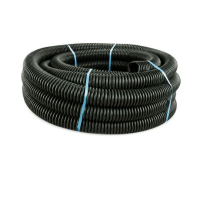
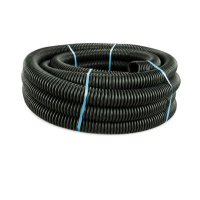
Perforated land drainage pipes are used below ground to collect and redirect excess water from wet or waterlogged areas. The small holes along the pipe allow groundwater to enter, helping to move it away from gardens, fields, landscaping areas and other external spaces where drainage is needed.
Where Land Drainage Pipes Are Used
Land drainage pipes are commonly used in gardens, lawns, fields, landscaped areas and external groundworks where standing water can damage soil, grass or nearby structures. They are often installed in trenches with gravel or drainage aggregate to help water move freely into the pipe and away from the problem area.
A garden drainage pipe is useful where lawns become soft, muddy or difficult to use after rain. On larger projects, underground drainage pipes can help manage water across open ground, driveways, sports areas, agricultural land and building perimeters.
For projects that need a wider water management setup, perforated land drainage pipes can be used alongside suitable rainwater systems to help move roof water and surface water away from the property.
Choosing the Right Drainage Pipe for Groundwater Control
Choosing the right pipe depends on the size of the area, the amount of water being managed and the ground conditions. A 100mm land drainage pipe is a common choice for domestic and light commercial drainage because it offers a practical balance between flow capacity and easy installation.
Key points to consider include:
- Pipe type – Perforated drainage pipes are designed to collect water from the surrounding ground, while solid pipes are used to carry water from one point to another.
- Material – An HDPE drainage pipe offers good strength, flexibility and resistance to moisture, making it suitable for long-term underground use.
- Flexibility – A flexible drainage pipe is easier to install around bends, uneven ground and curved trench layouts.
- Drainage layout – The pipe should be positioned with the correct fall so water can move towards a soakaway, ditch or suitable drainage outlet.
- Backfill choice – Free-draining aggregate helps water reach the pipe and reduces the chance of soil blocking the perforations.
The best results come from matching the pipe, trench design and backfill material to the drainage problem, rather than choosing by pipe length alone.
Advantages and Limitations of Perforated Drainage Pipes
The main advantage of perforated drainage pipes is that they help control excess water before it builds up on the surface. They can improve garden drainage, protect landscaped areas, reduce waterlogging and support more stable ground conditions when installed correctly.
There are also limitations. The pipe must be laid with the correct fall, surrounded by suitable drainage aggregate and connected to a proper outlet or soakaway. If the trench is poorly prepared, the pipe is installed too flat or the surrounding soil blocks the perforations, the system may not drain effectively.
You can also explore our wider drainage systems range for underground drainage, fittings and related products needed to complete external drainage work.
FAQs
Should perforated land drainage pipes be wrapped in geotextile fabric?
Geotextile fabric can help reduce the risk of fine soil particles entering the drainage trench and blocking the pipe perforations. It is especially useful in clay-heavy or silty ground where the surrounding soil is likely to wash into the aggregate over time.
How deep should a land drain pipe be installed?
The correct depth depends on the ground conditions, water problem and intended use of the area above the pipe. Shallow drainage may be suitable for lawns and garden areas, while deeper installations may be needed for larger landscaped areas, fields or ground that carries regular foot or vehicle traffic.
Can land drainage pipes connect directly into a rainwater system?
Land drainage pipes should not always be connected directly into a rainwater system without checking the drainage design first. The system must be able to handle the extra water volume, and local drainage rules may affect where groundwater and surface water can be discharged.
Why do some land drainage systems still fail after installation?
A land drainage system can fail if the pipe has no proper fall, the outlet is blocked, the wrong backfill is used, or the trench becomes contaminated with soil. Poor planning can also cause water to collect in low points instead of moving towards the chosen discharge area.
Is a perforated drainage pipe suitable for clay soil?
A perforated drainage pipe can be used in clay soil, but the installation needs extra care because clay drains slowly and can clog the trench if not separated properly. Using clean aggregate and a suitable geotextile membrane can help improve performance in heavier ground.
What is the difference between a land drain and a French drain?
A land drain usually refers to the perforated pipe used to collect and move groundwater through the soil. A French drain is the full drainage method, normally made from a trench, aggregate, geotextile fabric and sometimes a perforated pipe, depending on the design.