

Filters
Shopping Options
Wood Preservatives & Treatments
What Are Wood Treatments and Why Are They Used?
Wood treatments are used to help timber cope better with moisture, weather and everyday wear, while also improving the finish. A good wood treatment can add colour, bring out the grain or simply give the wood the extra protection it needs to last longer. The right timber treatment depends on where the wood is being used and how you want it to look once the job is done.
Where Can Wood Treatments Be Used?
There is no single treatment for wood that suits every job. Some products are better for exposed exterior timber, while others are more suitable for indoor joinery, finishing work or general maintenance.
- Decking – usually benefits from an external wood treatment because it has to deal with rain, changing temperatures and regular foot traffic.
- Fencing and fence panels – where timber is left out in the open and needs help standing up to moisture and day-to-day weathering.
- Sheds, summerhouses and garden buildings – for keeping exterior timber in better condition through typical UK weather.
- Timber cladding – where appearance matters, but so does durability over time.
- Gates, shed doors and exterior joinery – for timber that stays exposed and needs a tidy, well-kept finish.
- Garden furniture and other outdoor timber features – where a suitable wood protector can help reduce the effects of damp, sun exposure and regular use.
- Interior woodwork – including doors, frames, skirting and other joinery where the aim is to protect the surface or improve the final look.
- General timber repair, refurbishment and maintenance work – where added wood protection can help extend the life of existing timber.
How to Choose the Right Wood Treatment
Choosing the right product is usually easier when you start with the problem you need to solve. Some jobs need all-round protection, while others call for a more targeted product or a clear finish that keeps the timber looking natural.
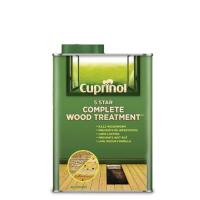
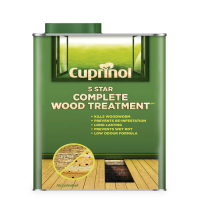
- For general timber protection, Cuprinol 5 Star Wood Treatment 1L and Cuprinol 5 Star Wood Treatment 2.5L are practical options for exposed timber and more routine maintenance work.
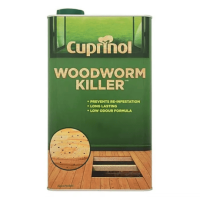
- If you are dealing with woodworm, Cuprinol Woodworm Killer 1L is the more targeted choice when a dedicated wood worm treatment is needed.
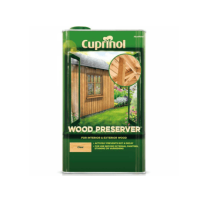
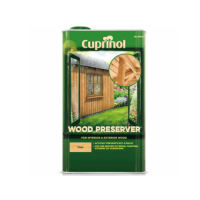
- If you want to protect timber without changing the look too much, Cuprinol Wood Preserver Clear 1L is a suitable option for jobs where keeping a clear finish matters.
- For bigger areas, pack size is worth thinking about as well. A 2.5L option is often the better fit for larger jobs, while 1L is more practical for smaller areas, touch-ups or local repairs.
FAQs
Do I Need a Timber Treatment for Outdoor Wood?
In most cases, yes. Outdoor timber has to deal with rain, damp, sunlight and changing temperatures, so treatment helps it last better in service. It is commonly used on decking, fencing, sheds and other garden timber.
What Is the Difference Between a Wood Preserver and a Wood Protector?
A wood preserver is usually used to help protect timber against rot, fungal decay or insect attack. A wood protector is more often used for surface protection and finish, although the wording can vary between brands. The main thing is to check what the product is designed to do rather than relying on the name alone.
How Does Woodworm Treatment Work?
A woodworm treatment is designed to deal with active insect infestation in timber by targeting the problem within the wood. It can help stop further activity, but it will not repair timber that is already damaged. If the wood has been badly weakened, replacement may still be needed.
How Long Does an External Wood Treatment Last?
That depends on the product, the condition of the timber and how exposed the area is. Decking and other high-wear surfaces usually need more frequent maintenance than sheltered timber. Recoat times should always be checked against the manufacturer’s instructions.
How Long Does a Treatment for Wood Take to Dry?
Drying time varies by product, weather conditions and the moisture level in the timber before application. Some treatments are touch-dry within a few hours, while others need longer before recoating or full use. The product label should be checked before starting the job.
What Is the Best Option for Decking, Fencing or Garden Timber?
That depends on the timber, the level of exposure and the finish you want. For general outdoor use, a treatment made for exterior timber is usually the practical choice, while a clear preserver is more suitable where you want to keep the natural look. The best result usually comes from matching the product to the job rather than using one treatment for everything.