

Filters
Shopping Options
Damp Proof Course (DPC)
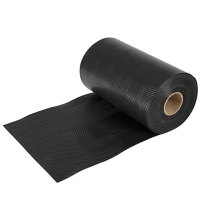
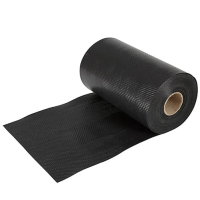
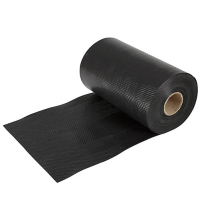
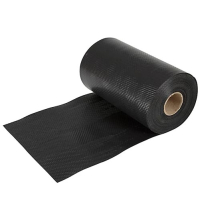
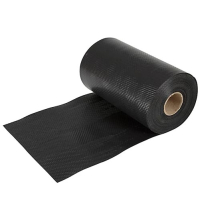
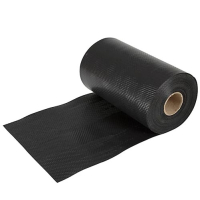
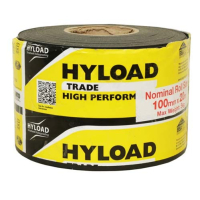
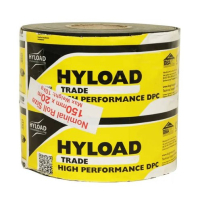
Polyethylene damp proof course (DPC) that stops rising damp travelling up brick and blockwork by forming a sealed break in the mortar joint. Manufactured to BS 6515 and tested to EN 14909, it's suitable for wet-bedded vertical and horizontal use throughout two-storey domestic builds. Choose Standard DPC rolls (100–600mm, 30m lengths) for general brick and block detailing, or High Load DPC rolls (100–600mm, 20m lengths) for heavier-duty applications.
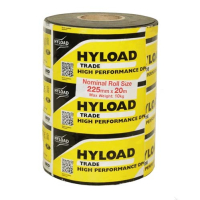
What is a Damp Proof Course (DPC)?
A damp proof course (DPC) is a moisture-resistant layer set into a mortar joint in brickwork or blockwork to stop rising damp travelling up the wall. By creating a sealed break within the masonry, a DPC helps protect plaster and internal finishes from damp-related damage.
DPC Roll Sizes, Materials and Compatibility
DPC roll sizes: choosing the right width
Our DPC rolls are available in common widths from 100mm to 600mm, making it easy to match your wall and cavity requirements. As a rule of thumb, choose a damp proof course roll that fully covers the width of the masonry with a small allowance at the edges to help prevent moisture bridging.
Common size examples you’ll see on-site:
-
100mm DPC – often used for narrow masonry details and smaller sections
-
450mm DPC – suitable for wider masonry details where a broader DPC strip is specified.
-
600mm DPC – suited to the widest applications where full coverage is essential
Tip: If you’re between sizes, it’s usually safer to go slightly wider than to risk an exposed edge.
Standard and High Load DPC Materials
Our standard DPC rolls are made from polyethylene using high-quality reprocessed material. They are designed for wet-bedded horizontal and vertical applications in domestic masonry construction and feature an embossed surface to improve mortar adhesion.
The category also includes High Load polymeric DPC products designed for applications subject to greater compressive loads. Always check the individual product specification before selecting a DPC for load-critical details.
It is manufactured to the requirements of BS 6515, with the manufacturer's technical data also referencing EN 14909.
Compatibility: where DPC rolls work best
A DPC wall detail is only effective when it’s compatible with the way the wall is built. DPC rolls are commonly used with:
-
Brickwork and blockwork (external and internal walls)
-
Foundation-to-wall junctions, where moisture control is critical
-
Cavity wall detailing, where coverage and continuity matter
For best results, pair the DPC roll width to the wall thickness and ensure the DPC forms a continuous line with adjacent waterproofing elements (for example at corners, returns, and junctions).
Choose the Right DPC Roll for Your Wall Thickness
Start with wall thickness, then match the DPC width
Pick a DPC roll that fully covers the wall thickness so the damp proof course forms a continuous barrier across the bed joint. If you’re between sizes, choosing slightly wider is usually safer than leaving an exposed edge.
Quick guide: typical wall builds and DPC widths
-
Narrow sections / small details: 100mm DPC (4 inch DPC)
-
Common blockwork walls: 150mm–225mm (depending on block size)
-
Wider walls and some cavity detailing: 300mm–450mm
-
Extra-wide applications: 600mm DPC
Consider site demands
For standard brickwork and blockwork, a regular damp proof course roll is often suitable. For heavier-duty conditions, choose a more robust option and follow the product spec.
Keep the barrier continuous
Ensure the damp proof course runs unbroken through corners, junctions, and returns, and lines up with adjacent moisture-control layers where needed.
Where to Use a Damp Proof Course (Typical Applications)
-
At the base of external walls (brickwork or blockwork) to control rising damp from the ground
-
Between foundation blocks and the first courses of brick/block to protect the wall build-up
-
Under internal loadbearing walls and ground-floor partitions where moisture protection is required
-
Around openings (doors and windows) to help prevent damp bridging at junctions
-
As part of cavity wall detailing (e.g., forming a simple tray/drip path where a DPC roll is specified)
-
At wall junctions and changes in level where continuity of the DPC line is critical
Damp Proof Course Costs: What Affects Price Per Roll
To judge damp proof course cost properly, compare rolls on a like-for-like spec and think in £/metre as well as £/roll. Key drivers:
-
Coverage (width × length): price tracks total material. A wider DPC roll isn’t just “bigger” — it’s covering more of the wall/bed joint in one continuous strip.
-
Grade/thickness (standard vs heavy-duty): higher grade rolls cost more because they’re designed to resist greater load and site handling without tearing or deforming.
-
Performance spec (what the roll is rated to do): reinforced/high-load products carry a premium for strength and durability in demanding details.
-
Buying the correct width first time: undersizing can force overlaps, patching, or rework at junctions — which costs more than stepping up one width where needed.
-
Pack value: multiple rolls usually reduce the effective cost per metre, especially on longer runs (foundations, long external walls).
You may also be interested in:
-
Damp Proof Membrane (DPM): Used under screed or concrete floors to form a continuous barrier that prevents ground moisture from rising into the floor build-up.
-
Cavity Drain Membranes: Used for internal, below-ground waterproofing to manage water ingress by draining it to channels or a sump and pump, rather than relying on full tanking.
FAQs
What does DPC mean?
DPC means Damp Proof Course. It’s a moisture-resistant layer built into masonry to stop moisture rising through walls.
What is DPC in construction?
In construction, a DPC is an impermeable barrier installed in a mortar bed joint, typically near the base of a wall. Its job is to block capillary movement of ground moisture into brickwork or blockwork.
What is the difference between a damp proof course and damp proofing?
A damp proof course is a specific physical barrier in the wall (often supplied as a roll) that prevents rising damp. Damp proofing is the broader term for methods used to control moisture in a building, which can include DPCs and other waterproofing measures.
What affects the cost of a damp proof course roll?
The main factors are roll width, roll length, and grade/thickness (standard vs heavy-duty). Wider and heavier-duty rolls use more material and higher-performance spec, so they cost more per roll.
How much does a damp proof course roll cost?
It depends on the roll’s width, length, and grade. On this page, standard DPC rolls start at about £4.25 ex VAT, while wider or high-load rolls are priced higher.
What is the correct DPC height above ground level?
In the UK, DPC is commonly installed at least 150mm above external ground level to reduce the risk of splashback and bridging. Ground levels, paving, and render should be kept below the DPC line to maintain separation.
What is a damp proof course used for in brickwork?
In brickwork, a damp proof course is used to prevent moisture from the ground rising into the wall by capillary action. It helps protect internal finishes and reduce damp-related damage when the barrier is continuous and not bridged.
What is 4 inch DPC in mm?
4 inches is approximately 100mm (4 in = 101.6mm, usually sold as 100mm DPC).