

Filters
Shopping Options
Brick Slips
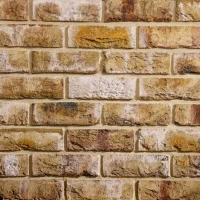
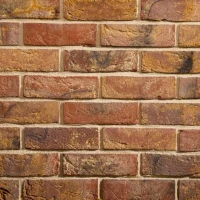
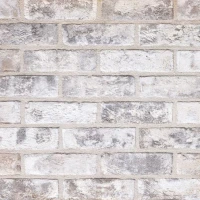
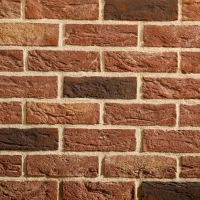
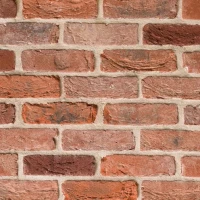
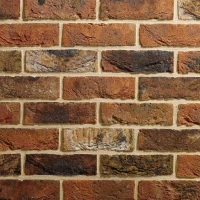
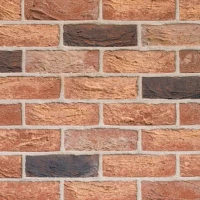
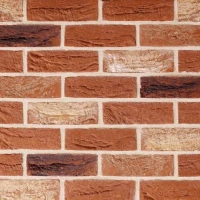
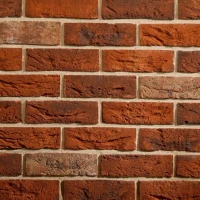
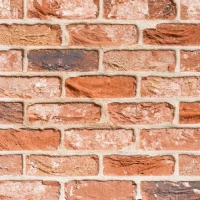
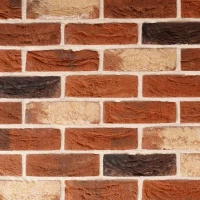
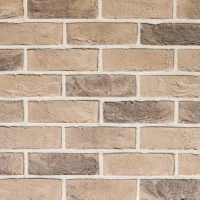
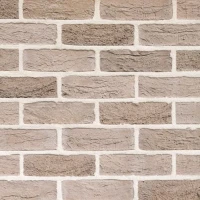
What are brick slips, and where are they used?
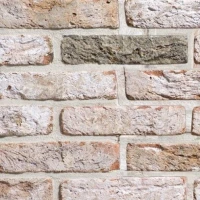
Brick slips are thin brick faces that recreate traditional brickwork without the build-up of a full brick wall. They’re bonded to a prepared wall or backing board and then pointed; you’ll also see them searched as brick slip tiles or brick tile slips. They’re widely used across the UK for refurbishment and new-build projects where a durable brick finish is needed with less thickness.
Brick Slip Types: standard brick slips, corner brick slips, headers and reveals
Brick slips come in different formats so the brick finish can run cleanly around corners, openings and returns, without awkward cuts. These elements are often specified together to keep the finished brickwork consistent across a full elevation or a feature wall.
-
Standard brick slips – The main face pieces for flat wall areas and straight runs, including internal walls, kitchens, and brick cladding.
-
Corner brick slips – “L” shaped units that wrap corners so returns look continuous, without visible mitre cuts.
-
Headers – Shorter-format pieces used to replicate header courses and bonding detail without relying on cut-down slips.
-
Reveals – Slim pieces for window and door reveals, helping the brick finish run neatly into openings and tight areas.
Brick slips for internal walls: feature walls and kitchens
Internal brick slips are a practical way to achieve a brickwork look on internal walls without heavy build-up, making them common in refurb and fit-out work.
Common internal uses
-
Feature walls – living rooms, hallways, offices, retail and hospitality interiors.
-
Kitchens – kitchen brick slips suit main wall runs and dining zones; for splashback-style areas, use a suitable backing and protective finish where required.
Key points to get right
-
Substrate – a flat, stable wall or backing board is essential for a bonded installation.
-
Lines and joints – consistent setting-out and neat pointing make the finish read like real brickwork.
-
Edges and openings – plan for corners and reveals so returns and window/door edges look clean and continuous.
Brick slips for fireplaces and log burners: where they’re suitable and what to check
Brick slips can create a brickwork finish around fireplaces and log burners, but suitability depends on the heat exposure of the specific area. If you’re planning brick slips for fireplace surrounds or brick slips behind log burner installations, check product guidance and ensure the full build-up is appropriate for the temperatures involved.
Where they’re commonly used
-
Chimney breasts and fireplace surrounds – decorative facing on the main chimney breast and around the opening.
-
Behind log burners – only where the substrate, adhesive and pointing materials are rated for the expected heat and installed to the correct clearances.
What to check before you install
-
Heat zone and clearances – follow stove/manufacturer clearance requirements for combustible materials and surfaces.
-
Substrate – use a sound, flat base and a non-combustible backing where required.
-
Fixing materials – choose adhesive and pointing products suitable for the intended temperature range.
-
Joint finish – consistent pointing and a clean finish improve appearance and durability.
External brick slips in the UK: can brick slips be used outside?
Yes - external brick slips can be used outside in the UK, but performance depends on the wall build-up and the correct installation materials. For external installations, treat them as external brick slip cladding, so the substrate, adhesive and pointing must be suitable for weather exposure.
Where they’re commonly used
-
Exterior brick slips on house walls, extensions and garden structures where you want a brick finish without a full brick wall.
-
Outdoor brick slips for boundary features and facade details (on stable, well-prepared surfaces).
What to check before you install
-
Substrate and preparation – a sound, flat base is essential; movement will cause problems over time.
-
Fixing materials – use exterior-rated adhesive and pointing/mortar designed for freeze–thaw and wet conditions.
-
Water management – plan edges, copings and drip details so water doesn’t sit behind the cladding.
-
Durability – consistent jointing and proper curing are critical outdoors.
Brick slips cost per m²: what affects price
The brick slips cost per m² varies by slip type, finish, and how much detailing the area needs. At MGN Builders Merchants, start with the wall area in m², then allow for corners, openings, cuts and wastage. Before pricing up, use our Bricks Calculator to estimate coverage and allowances, then apply that figure to your chosen slips and specials.
What typically drives the cost
-
Slip format and detailing – standard slips vs corner brick slips, plus reveals/headers where needed, affects total cost of brick slips.
-
Colour and finish – shades such as red brick slips, grey brick slips, white brick slips, and yellow brick slips can vary by finish and availability.
-
Coverage and wastage – tight layouts and complex areas can increase the effective brick slips cost per m² once cuts are allowed for.
-
Project scope – internal feature walls often need fewer specials than external work, affecting total spend even at the same m² rate.
Explore our curated selection of brick slips to find the perfect match for your project:
- TBS Iced Grey Brick Slips: Create a sleek and modern atmosphere with these cool-toned grey brick slips, ideal for contemporary kitchens, living rooms, or feature walls.
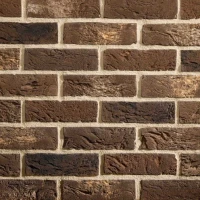
- TBS Barnhouse Blend Brick Slips: Embrace a rustic charm with these warm, textured brick slips reminiscent of a farmhouse style. Perfect for adding warmth and character to living spaces or fireplaces.
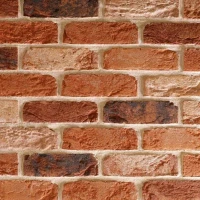
- TBS Traditional Red Blend Brick Slips: Indulge in a timeless classic. These red blend brick slips deliver a touch of vintage charm and elegance, suitable for a variety of design styles.
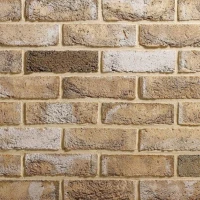
- TBS Sandalwood Brick Slips: Opt for a natural and earthy feel with these beautiful sandalwood brick slips. They add warmth and a touch of organic texture to your space.
- TBS Mystique Brick Slips: Create a dramatic and sophisticated statement wall with these dark, charcoal-toned brick slips. Ideal for modern living spaces or adding a touch of drama to hallways or bars.
FAQs
What are brick slips used for?
Brick slips are used to create a brickwork finish as a bonded facing on walls without building a full brick wall. They’re commonly used for internal feature walls and kitchens, and can also be used externally where the substrate and fixing materials are suitable for weather exposure.
How thick are brick slips?
Brick slip thickness varies by product range and system. In our current brick slips category range, the slips are typically 20mm, but always check the product specification and total build-up (slip + adhesive + pointing).
How much are brick slips per m²?
Brick slips per m² varies by the slip range, finish/colour, and how many specials you need (corners, reveals, headers). The effective cost per m² also changes with cuts and wastage, especially around openings and returns.
How to install brick slips?
Brick slips are bonded onto a sound, flat wall or backing board using a suitable adhesive, then aligned with consistent joint spacing. Once set, joints are pointed to replicate brickwork and the surface is cleaned as you go for a neat finish.
How to cut brick slips?
Brick slips are typically cut using appropriate masonry cutting equipment with a diamond blade. Measure and mark accurately, then cut to suit edges, openings, and setting-out lines, following product guidance and site safety requirements.
How to install brick slips externally?
External brick slips require a stable, weather-suitable substrate plus exterior-rated adhesive and pointing materials. Follow the system guidance for curing, movement provision, and water management details so moisture doesn’t sit behind the cladding.
How to fit brick slips to a fireplace?
Brick slips are commonly used on chimney breasts and fireplace surrounds, but not all areas are suitable for heat exposure. Check appliance clearances, use a non-combustible substrate where required, and select fixing/pointing materials rated for the expected temperature range.